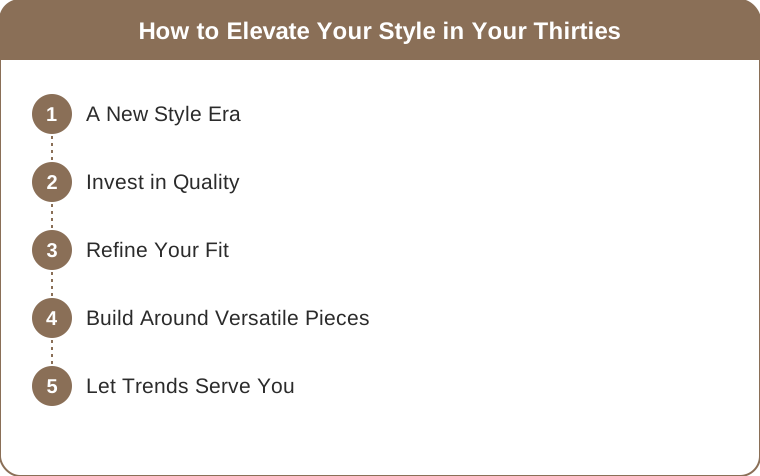
How to Elevate Your Style in Your Thirties
Quick Answer: Elevating your style in your thirties is mostly mechanics, not taste: get things tailored (a £20 hem changes more than a £200 purchase), upgrade fabric on the items you wear most, keep shoes and bags in genuinely good repair, and buy fewer pieces in a tighter colour palette so everything works together.
Here’s the uncomfortable observation that starts most thirties wardrobe rethinks.
Someone at work always looks pulled together. You’ve studied it. They’re not wearing anything remarkable — plain trousers, a knit, boots. Nothing you couldn’t buy.
The difference isn’t the clothes. It’s that the trousers are hemmed to the exact right length, the knit is wool rather than acrylic, and the boots have been resoled once and polished this month.
Elevation is largely maintenance. That’s genuinely good news, because maintenance is learnable and mostly cheap.

Why Does Fit Matter More Than Price?
Because your eye reads proportion before it reads quality, and it reads both before it reads a label.
A £40 pair of trousers hemmed to break exactly right on your shoe looks better than a £300 pair dragging on the floor. Every time. This isn’t a nice sentiment — it’s the single highest-return action available in this entire guide.
The alterations worth making, in order of impact:
- Hemming trousers to your actual leg length with the shoes you wear. Typically £15–25. Nothing else comes close.
- Taking in a waistband on trousers or a skirt that fits everywhere else. £20ish.
- Shortening sleeves on a jacket so the cuff sits at your wrist bone. Instantly makes a jacket look bought for you.
- Nipping a shirt or dress at the waist when it fits the shoulders and nowhere else.
Buy for the widest part — shoulders, hips, bust — and alter the rest. That’s the whole rule, and it’s why people who look expensive often shop at ordinary shops.
Where the Quality Money Actually Goes
Not everywhere. Spread evenly, a budget improves nothing noticeably.
Spend on what you wear most and what people see most:
- Outerwear. A coat is worn over everything, for months. Highest-visibility item you own.
- Shoes. Second-highest visibility, and quality shoes can be resoled for years.
- Everyday knits. Merino or cotton-cashmere instead of acrylic. Holds shape, doesn’t pill in a month, drapes rather than hangs.
- A bag you use daily. Leather improves with wear in a way coated fabric doesn’t.
Save on: trend pieces, occasion wear you’ll wear twice, anything with a very short season, and t-shirts beyond a certain point.
The practical test is cost-per-wear. A £250 coat worn 150 times over three winters costs £1.67 a wear. A £90 occasion dress worn twice costs £45 a wear. Same wardrobe, wildly different maths — and it’s usually the second kind of purchase eating the budget.

5 Things That Instantly Make an Outfit Look More Expensive
1. Clean shoes in good repair. Scuffed heels and worn-down soles undo an entire outfit, and almost nobody checks. Resoling costs a fraction of replacing, and a polish takes four minutes.
2. No visible pilling. A £12 fabric shaver will genuinely change how your whole wardrobe reads. Run it over knits and coat sleeves every few weeks.
3. A tighter colour palette. Pick three neutrals and two accents. Everything matches everything, which reads as coherent — and it’s the actual mechanism behind “capsule wardrobe” advice.
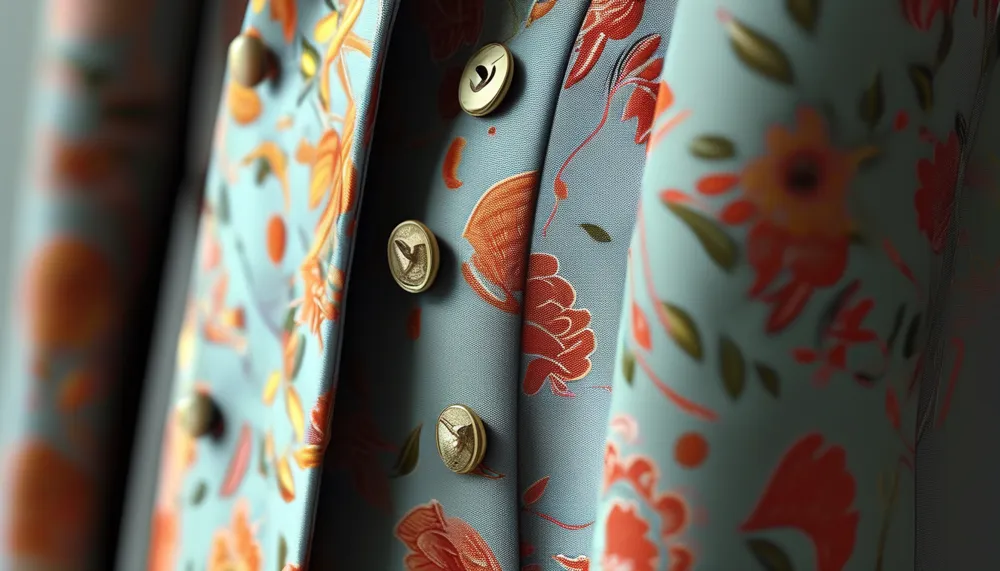
4. Fabric with weight. Thin, translucent, cling-prone fabric is the loudest cheap signal there is. Check the composition and hold it to the light before buying.
5. Well-fitting underwear. Genuinely the most under-rated item on any style list. Everything drapes differently over a bra that fits, and most people are wearing the wrong size.
Only one of those five involves buying new clothes. That’s not an accident.
What Nobody Tells You About Looking Expensive
Almost none of it is the clothes. Fit, upkeep and coherence account for most of the effect. Two people in identical outfits can read completely differently based on a hem and a shoe brush.
Tailors are cheaper than you think and nobody uses them. A hem is typically £15–25. Most people have never had a single garment altered, which is why so many wardrobes full of decent clothes look approximately fine and never better.
Shoes are the tell. They’re the item people unconsciously check and the one most likely to be quietly falling apart. Resoling a good pair costs a fraction of replacing them.
Repeating outfits reads as confidence. The pressure to never wear the same combination twice is a recent, expensive invention. People with strong style repeat constantly.
One good bag beats four mediocre ones. It’s carried every day, it’s at eye level, and leather improves with use while coated fabric only degrades.
Build Around Versatile Pieces
The efficiency argument for a smaller, better wardrobe isn’t about minimalism — it’s about combinations.
Fifteen pieces that all work together produce more outfits than forty pieces that don’t. The pieces that earn their place cross contexts: trousers that work for the office and for dinner, a knit that layers under a coat and stands alone, boots that go with jeans and with a dress.
Before buying anything, run the three-outfit test: can you name three complete outfits you already own the rest of? If not, you’re buying an orphan, and orphans are how wardrobes get full while remaining unwearable.
Let Trends Serve You
The shift that actually defines thirties style: you stop asking “is this in?” and start asking “does this work for me?”
Practically, that means a small trend allocation — two or three current pieces a season, at lower price points, sitting on a foundation of classics. Trends are best expressed through accessories, colour, and one silhouette you’re genuinely enjoying.
Selectivity isn’t restraint. It’s just knowing enough about your own taste to skip things without regret, which is arguably the whole benefit of this decade.
Mini FAQ
What should you invest in first when upgrading your wardrobe?
A good coat and decent shoes, in that order — they’re the highest-visibility, highest-wear items you own. After that, find a tailor and get your three most-worn pairs of trousers hemmed properly. That sequence gives you the biggest visible change for the least money.
How do you make cheap clothes look expensive?
Fit, fabric and upkeep. Get things hemmed and taken in, choose heavier fabrics that don’t cling or go translucent, and stay on top of pilling, scuffed shoes and loose threads. Most of what reads as “expensive” is actually just “well maintained and correctly fitted.”
How many pieces do you actually need in a wardrobe?
Fewer than most people own, and the number matters less than the overlap. A wardrobe where every item combines with at least four others will feel far bigger than one twice its size full of pieces that only work with one thing.
TL;DR
- Fit beats price. A £20 hem changes more than a £200 purchase.
- Buy for the widest part of you; alter everything else.
- Spend on outerwear, shoes, everyday knits and a daily bag. Save on trends and occasion wear.
- Clean shoes, no pilling, a tight colour palette, heavier fabric, well-fitting underwear.
- Run the three-outfit test before buying — no orphans.
- Two or three trend pieces a season, at lower price points, on a classic foundation.
Most of “elevated” is maintenance and tailoring, which means it’s available to you this weekend.
Keep Reading
This article is for general styling and informational purposes only. Trends, sizing, availability and pricing may vary by brand and season.