Why Your Thirties Is When Cost-Per-Wear Math Actually Starts Paying Off
Wardrobe spending habits from the twenties, chasing trends and lower price points that get worn a handful of times, often carry unchanged into the thirties without much reassessment. But cost-per-wear math shifts meaningfully in this decade, since a slightly more expensive, well-made piece bought now has years of stable body shape and personal style ahead of it to actually earn out that higher upfront cost.
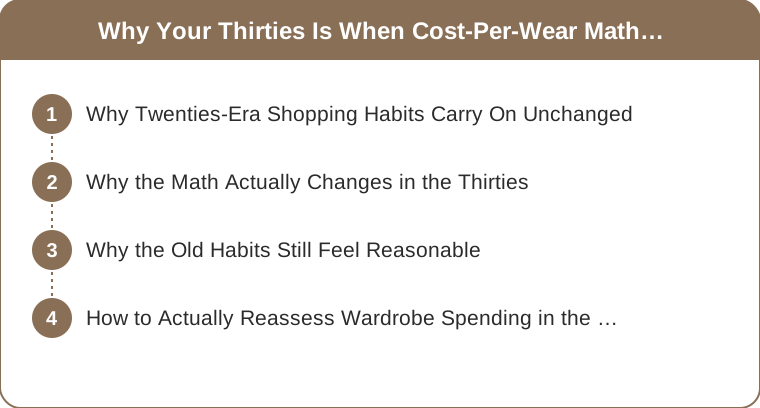
Why Twenties-Era Shopping Habits Carry On Unchanged
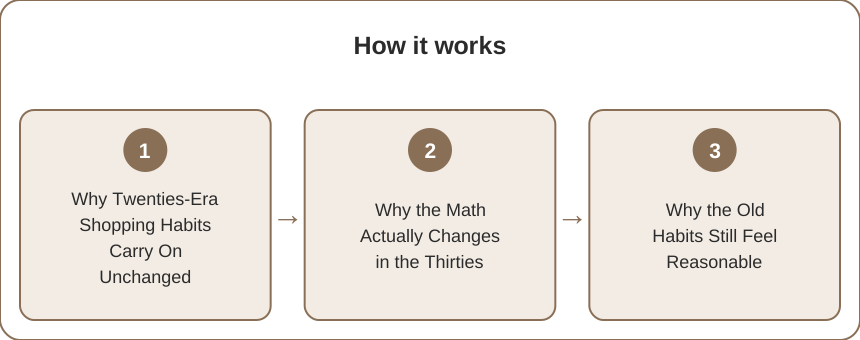
The habit-momentum effect: buying patterns formed in the twenties, more frequent, lower-cost, trend-driven purchases, simply continuing into the thirties by default, since there’s rarely a specific prompt to stop and reevaluate whether that spending pattern still makes sense.
Why the Math Actually Changes in the Thirties
The stability factor: personal style and body shape typically settling into a more consistent pattern through the thirties compared to the twenties, which means a well-made piece bought now has a longer realistic window of wear ahead of it, letting a higher upfront cost spread out and actually pay off in a way it might not have during a more experimental, fast-changing twenties wardrobe.

Why the Old Habits Still Feel Reasonable
The overlap: a lower price point always feeling like the safer, more responsible choice in the moment of purchase, which is true in isolation, but doesn’t account for how many more times a well-made piece will realistically get worn over the following decade compared to a cheaper trend piece.
How to Actually Reassess Wardrobe Spending in the Thirties
The practical shift: consciously evaluating a handful of key category purchases, coats, work pieces, everyday shoes, by realistic cost-per-wear over the next five to ten years rather than by sticker price alone, and the frame (a settled style and body shape in the thirties lets a well-made piece earn out a higher cost over time — reassessing key purchases by long-term cost-per-wear is what actually changes the math.)
Wardrobe spending habits from the twenties, frequent, lower-cost, trend-driven purchases, often carry into the thirties unchanged without much reassessment. But personal style and body shape typically settle into a more consistent pattern through the thirties, giving a well-made piece bought now a longer realistic window of wear that lets a higher upfront cost actually pay off. A lower price point always feels like the safer choice in the moment, which is true in isolation but doesn’t account for how many more times a well-made piece will get worn over the next decade. Reassessing key category purchases by realistic long-term cost-per-wear is what actually changes the math.
Keep Reading
This article is for general styling and informational purposes only. Trends, sizing, availability and pricing may vary by brand and season.