Thirty Something

Elevated style for your thirties

The Thirties Wardrobe Refresh: What to Add and What to Retire

2026-07-11

Quick Answer: A thirties wardrobe refresh is an edit, not an overhaul. Retire anything faded, pilled, stretched or no longer matching your actual week; upgrade the basics you wear constantly to better fabrics; and add three or four investment foundations — a proper coat, well-cut trousers, a versatile dress, a good leather bag.

Nothing dramatic happens. That’s what makes it confusing.

You just start noticing that the outfit which felt right two years ago now feels slightly like a costume of a previous version of you. The going-out top you loved. The jeans with the specific rise. Nothing’s wrong with them, exactly.

What’s changed is your week — where you go, what you sit in for eight hours, what you need clothes to actually do. The wardrobe hasn’t caught up yet.

The Thirties Wardrobe Refresh: What to Add and What to Retire

What Should You Retire From Your Twenties Wardrobe?

Start here, because it’s the fastest part and it clarifies everything that follows.

The physically worn out. Faded black that’s gone grey-brown. Pilled knits. Stretched-out necklines. T-shirts that have gone thin and translucent at the shoulders. These are the ones dragging your whole look down, and no amount of good tailoring elsewhere compensates.

The fast-fashion casualties. Anything already coming apart at the seams after a season. Keeping them costs you rail space and decision energy every single morning.

The pieces for a life you don’t live. The going-out dresses for a nightlife schedule you gave up three years ago. Be honest about your actual week — how many of the last twenty occasions were dinner, work, or a friend’s kitchen?

Ill-fitting anything. Bodies change through your thirties. Clothes that fit a different version of you aren’t a goal or a reproach; they’re just occupying space.

A useful test: pull everything you haven’t worn in eighteen months. Try it on. Whatever you don’t immediately want to wear that afternoon goes.

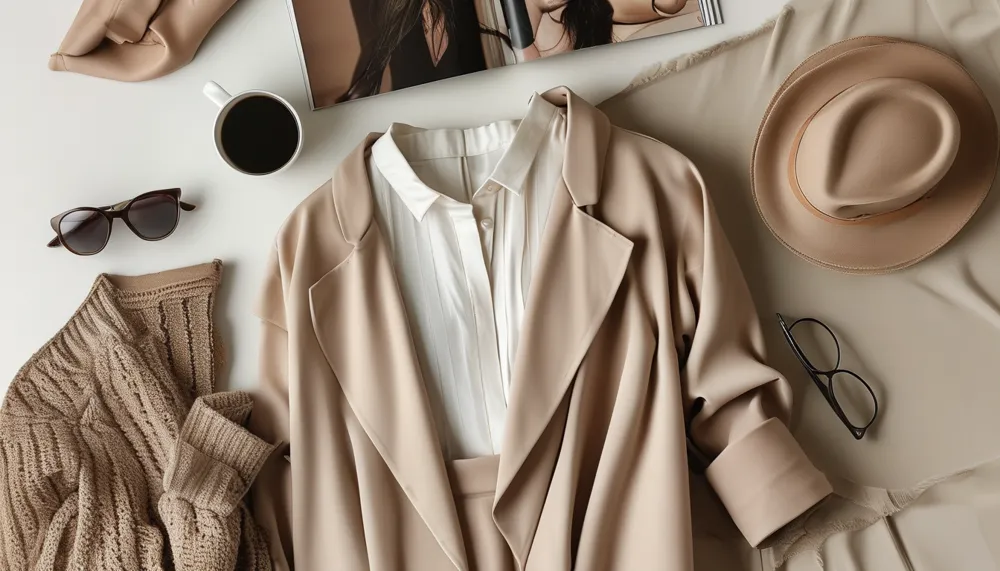
Styling flat lay

What Should You Add in Your Thirties?

Three or four investment foundations, bought slowly, that quietly raise the level of everything around them.

A proper coat. The single highest-visibility item you own — it’s what people see for six months of the year, over every outfit. Wool or wool-blend, well cut, in a colour that works with most of your wardrobe. This is where a bigger budget shows most clearly.

Well-made trousers. Not jeans. Tailored trousers in wool-blend or a good crepe, with a hem length set to your most-worn shoes. Instantly makes a plain knit look deliberate.

A versatile dress. One that handles a work day, a dinner and a wedding-adjacent event with a change of shoes and jewellery. Midi length, good fabric, simple shape.

A quality leather bag. A well-made bag lasts a decade and improves as it wears. This is the classic buy-once category.

Buy these one at a time as you can, not in a single weekend. A rushed investment purchase is just an expensive mistake.

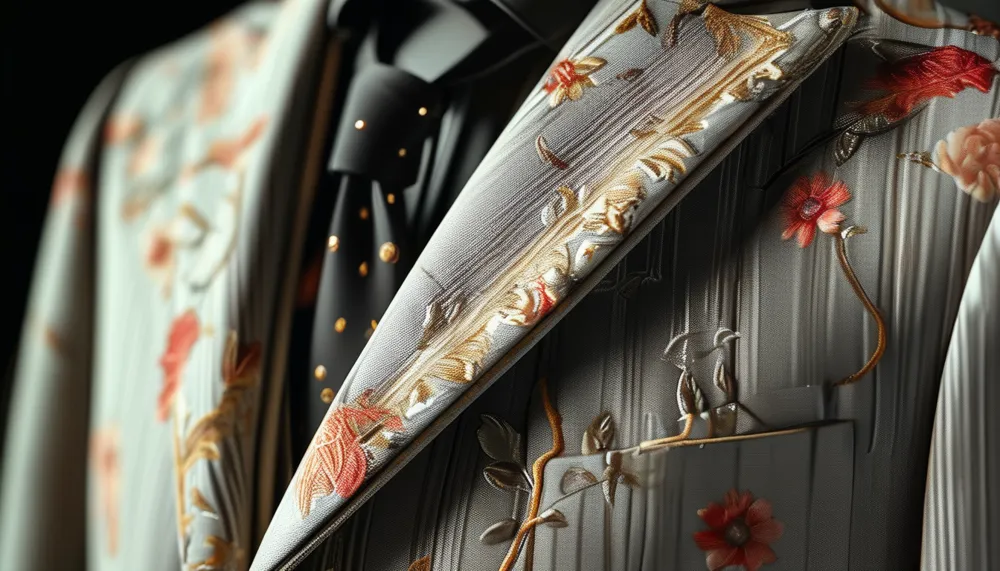
Point detail

Why Upgrading Your Basics Matters Most

Here’s the thing that surprises people: the highest-return money in a thirties refresh isn’t the coat. It’s the tees.

Do the maths. A plain t-shirt you wear twice a week for two years is roughly 200 wears. A £15 fast-fashion tee at 200 wears costs 7.5p per wear and looks tired at wear 30. A £45 tee in heavier cotton, holding its shape and colour, costs 22p per wear and looks good at wear 150.

The upgrades worth making:

  • T-shirts in heavier-weight cotton — 180gsm or above, where the fabric holds its shape rather than clinging.
  • Everyday jeans in a cut that fits your current shape, hemmed to length. Hemming costs very little and changes everything.
  • The simple knit in merino or a good cotton-cashmere rather than acrylic. It drapes instead of hanging, and doesn’t pill in a month.
  • Underwear and bras that actually fit. Genuinely the most under-rated line item on this list — everything sits differently over a well-fitting bra.

Because you wear these constantly, improving them has a far bigger effect on how you look day to day than one statement piece ever will.

Keep the Timeless, Refresh the Trendy

The balance that makes a wardrobe feel both settled and current: hold the classics, rotate a small number of current pieces.

Keep the trench, the good blazer, the white shirt, the straight-leg jeans, the black dress. These don’t date, and replacing them every few years is money going nowhere.

Then add two or three current pieces a season — a colour that feels now, a silhouette that’s shifted, one accessory. That’s enough. Trend pieces should be a small percentage of your wardrobe, ideally at the lower price points, because that’s exactly what they’re for.

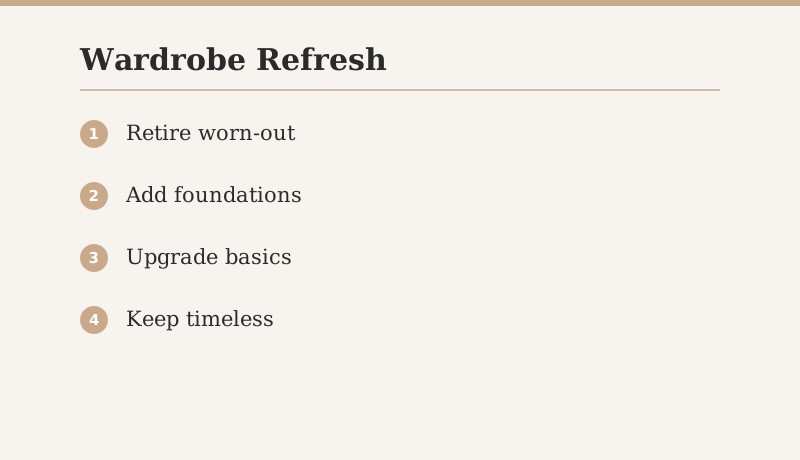
Style guide

Myth vs Fact

Myth: A wardrobe refresh means replacing most of what you own. Fact: A good refresh is mostly subtraction plus three or four considered additions. Anyone telling you to start from scratch is selling something.

Myth: Investment pieces should be bought all at once. Fact: Rushed investment buying is just expensive mistake-making. One piece at a time, over a year, gets you a better wardrobe for the same money.

Myth: You should dress “age appropriately” in your thirties. Fact: Fit and fabric quality are what read as grown-up, not hemlines or necklines. A well-made piece in your actual size looks considered at any age.

Myth: Expensive basics aren’t worth it. Fact: Basics have the highest wear count in your wardrobe, which makes them the best place for extra money — a good tee at 200 wears costs less per wear than a cheap one that dies at 30.

Mini FAQ

How often should you do a wardrobe refresh?

A proper edit twice a year, at the season changes, plus a running rule that anything worn out gets removed immediately rather than returned to the rail. The seasonal edit takes about two hours and mostly consists of being honest about the last six months.

What are the most important pieces to invest in?

The ones with the highest wear count and the highest visibility — a coat, everyday trousers, a good bag, and shoes. Occasion pieces are usually the worst investment, since a beautiful dress worn twice a year has a terrible cost-per-wear no matter how much you love it.

How do I make my wardrobe look more grown-up without it feeling boring?

Upgrade the fabric and fit of what you already wear rather than changing your style entirely. Better cotton, a proper hem, a well-fitting bra and shoes in good condition read as “put together” far more than any specific garment does — and they leave your actual taste intact.

TL;DR

  • It’s an edit, not an overhaul. Start by retiring what’s worn out and ill-fitting.
  • Be honest about your actual week, not the life your wardrobe was bought for.
  • Add three or four investment foundations slowly: coat, trousers, versatile dress, leather bag.
  • Upgrading everyday basics has the biggest visible payoff — highest wear count wins.
  • Keep the classics; rotate two or three current pieces a season at lower price points.
  • Hemming and a properly fitting bra are the cheapest upgrades available.

Edit what you have, upgrade what you wear most, and let the wardrobe catch up to the life you’re actually living.

Keep Reading

This article is for general styling and informational purposes only. Trends, sizing, availability and pricing may vary by brand and season.

← All articles